Hampton Roads has some of the most beautiful older homes in Virginia. Think of the historic houses in Norfolk’s Ghent and Colonial Place, Portsmouth’s Olde Towne and Park View, and Hampton’s Phoebus. They have character you cannot find in new construction. But many of them were wired for a very different era, and some of that wiring is still in the walls today.
If you own, or are thinking about buying, an older home in Norfolk, Portsmouth, Hampton, or South Norfolk in Chesapeake, here are the electrical issues our electricians see most often.
Fuse boxes and undersized service
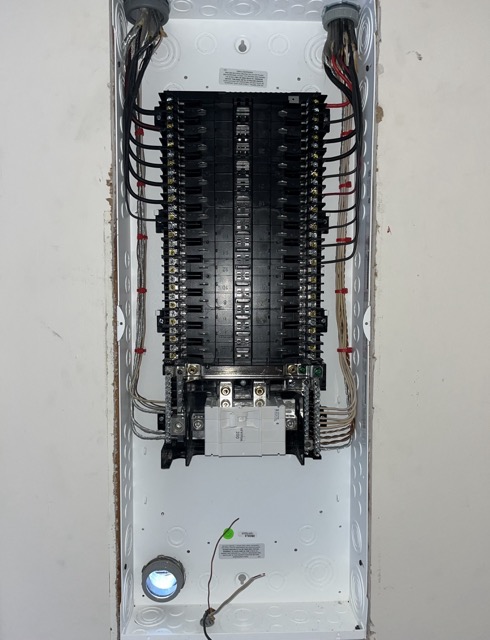
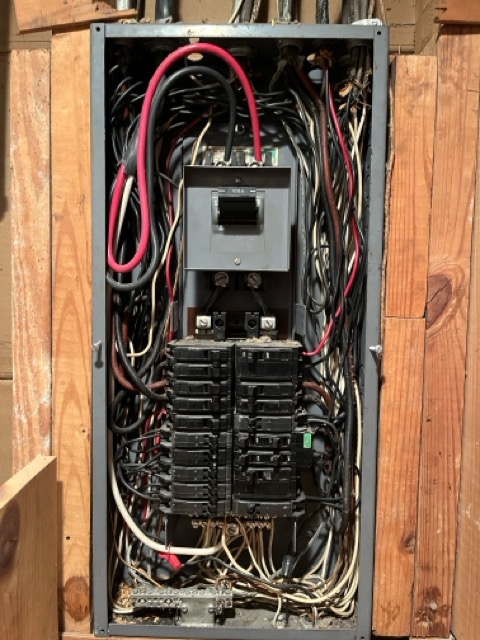
Many older homes still have a fuse box or a 60-amp or 100-amp panel. They were fine for a few lights and a refrigerator, but not for central air, modern kitchens, and everything we plug in today. Signs your system is overloaded include blown fuses, tripping breakers, and lights that dim when appliances run. A panel upgrade is often the first and most important improvement.
Knob-and-tube wiring
Homes built before the 1940s may have knob-and-tube wiring: individual wires run through porcelain knobs and tubes, with no ground wire. The original insulation can become brittle over time, and the wiring was never meant to be buried in modern insulation or to carry today’s loads. Many insurance companies ask about it, and some will not cover a home that still has it in use. If you have it, have it evaluated by a licensed electrician.
Aluminum branch wiring
Some homes built in the mid-1960s to early 1970s were wired with aluminum instead of copper for the branch circuits. Aluminum expands and contracts more than copper, and connections can loosen and overheat over time, especially at outlets and switches. It does not always need to be fully replaced. Properly rated connectors and repairs can make it safer. An electrician can tell you which approach fits your home.
Two-prong, ungrounded outlets
Two-prong outlets usually mean the circuit has no ground. That is a shock risk, and it leaves electronics more exposed to damage. Swapping in three-prong outlets without adding a ground does not fix the problem. The right fix may be running new grounded circuits or installing GFCI protection, depending on the situation.
Not enough outlets
Older homes often have just one or two outlets per room. That leads to extension cords and power strips stretched across floors and daisy-chained together, which can overheat. Adding outlets where you actually need them is safer and more convenient.
Missing GFCI and AFCI protection
Modern code requires GFCI protection in kitchens, bathrooms, laundry areas, garages, and outdoors to prevent shocks near water. Newer homes also use AFCI protection to help prevent electrical fires. Many older homes have neither. Adding them is one of the simplest ways to make an older home safer.
Outdated panels
Some panels from past decades, including Federal Pacific Electric (Stab-Lok) and Zinsco, have known problems with breakers that may not trip when they should. If your older home has one, we recommend replacing it.
Storm and moisture damage
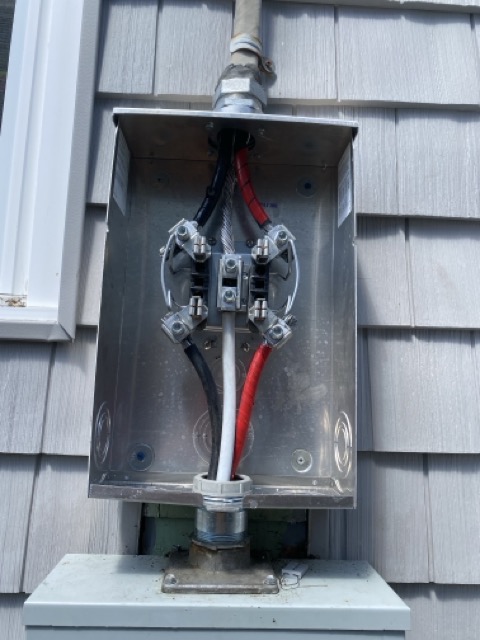
Older homes near the water have often been through decades of humidity, storms, and sometimes flooding. Corrosion in panels, meter bases, and outdoor outlets is common. Any electrical equipment that has been underwater should be inspected before it is used again.
Buying an older home?
A home inspector will point out obvious problems, but an electrical evaluation from a licensed electrician gives you a clearer picture of what you are buying and what it will take to bring it up to date. It can also help with insurance questions before closing.
Keep the character, update the wiring
Updating the electrical system in an older home does not mean losing what makes it special. Our team works carefully to modernize wiring, panels, and outlets while respecting the home’s original details.
We work in older homes across Norfolk, Portsmouth, Hampton, and Chesapeake. Learn more about our electrical repair service.
Ready to talk it through? Call TC Electric at (757) 977-4827 or request a free estimate. Our licensed, family-owned team serves Chesapeake and all of Hampton Roads.