Most people think of power surges as a lightning problem. Lightning is a big one here in Hampton Roads, especially during summer thunderstorms. But surges happen every day, and they quietly wear down the electronics in your home. That is why whole-home surge protection has become one of the most requested services we offer, and why the electrical code now requires it in many situations.
What is a power surge?
A power surge is a short spike in voltage, lasting a tiny fraction of a second, that is higher than what your home’s wiring and devices are designed to handle. Large surges can destroy electronics instantly. Smaller, repeated surges slowly damage circuit boards over time, which is why a TV, microwave, or HVAC control board can fail years earlier than expected.
Where do surges come from?
- Lightning striking power lines or near your home during thunderstorms and tropical systems.
- Utility switching and power being restored after an outage.
- Downed lines and damaged equipment during storms.
- Your own appliances. Air conditioners, refrigerators, and other motors create small surges every time they cycle on and off.
What the National Electrical Code says
The National Electrical Code (NEC) is the standard electricians follow nationwide, and Virginia’s statewide building code is based on it. Starting with the 2020 edition, the NEC requires a surge protective device for homes whenever the electrical service is installed or replaced. The 2023 edition keeps that requirement in place.
In practical terms, if you are building a new home or upgrading your electrical panel, whole-home surge protection is part of the job. When TC Electric replaces a panel, we include it.
If your home already has a newer panel and no surge protection, it is not required to add one, but it is one of the most cost-effective ways to protect everything plugged into your home.
How whole-home surge protection works
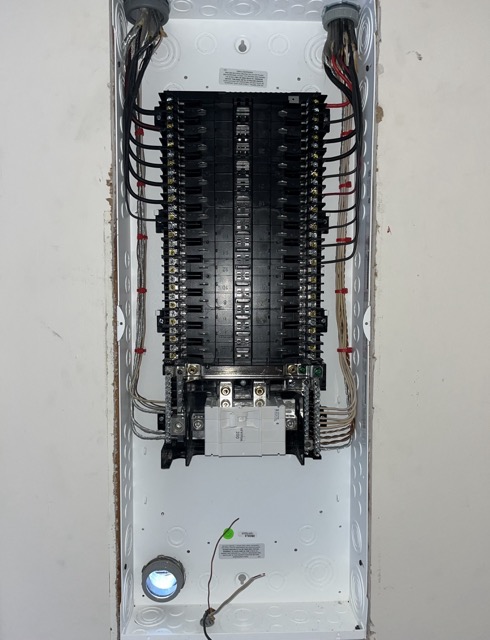
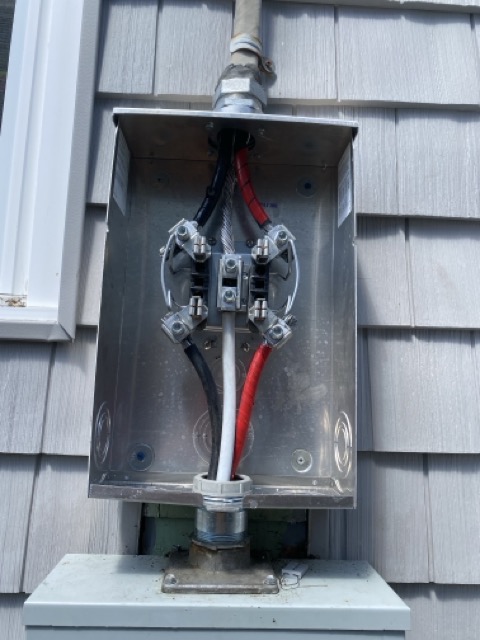
A whole-home surge protective device is installed at or next to your electrical panel. When a surge comes in from the utility lines, the device sends the excess voltage safely to ground before it can travel through your wiring to your outlets and appliances.
Think of it as the first line of defense. It protects things that cannot be plugged into a power strip, like your HVAC system, water heater controls, garage door opener, well pump, kitchen appliances, and hardwired smoke detectors.
Do you still need power strips?
Yes, for sensitive electronics. We recommend layered protection:
- Whole-home protection at the panel stops large surges coming in from outside.
- Point-of-use surge protectors at your TV, computer, and gaming systems handle smaller surges created inside the home.
Together, they give your electronics the best chance of a long life.
Is it worth it in Hampton Roads?
With frequent summer thunderstorms, hurricane season, and outages that end with power surging back on, Hampton Roads homes see more than their share of surges. Considering what it costs to replace an HVAC control board, a refrigerator, or a home full of electronics, whole-home surge protection is a smart investment for most homeowners.
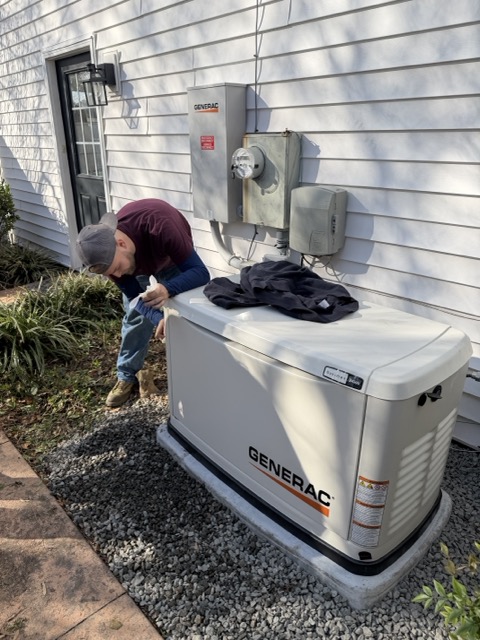
Learn more about our surge protection service. If you are also thinking about backup power, read our guide to whole-home generators.
Ready to talk it through? Call TC Electric at (757) 977-4827 or request a free estimate. Our licensed, family-owned team serves Chesapeake and all of Hampton Roads.