More drivers in Chesapeake, Virginia Beach, Norfolk, and across Hampton Roads are going electric, and most of them quickly learn the same thing: charging at home is the easiest way to live with an EV. Here is what to know before you buy a charger and schedule an installation.
Level 1 vs. Level 2 charging
Level 1 charging uses the cord that comes with many EVs and plugs into a standard 120-volt outlet. It adds only a few miles of range per hour. That can work if you drive very little, but most owners find it too slow.
Level 2 charging uses a dedicated 240-volt circuit, the same kind of power that runs an electric dryer or range. A Level 2 charger can fully charge most EVs overnight, so you wake up with a full battery every day. For most households, this is the right choice.
Does your panel have room?
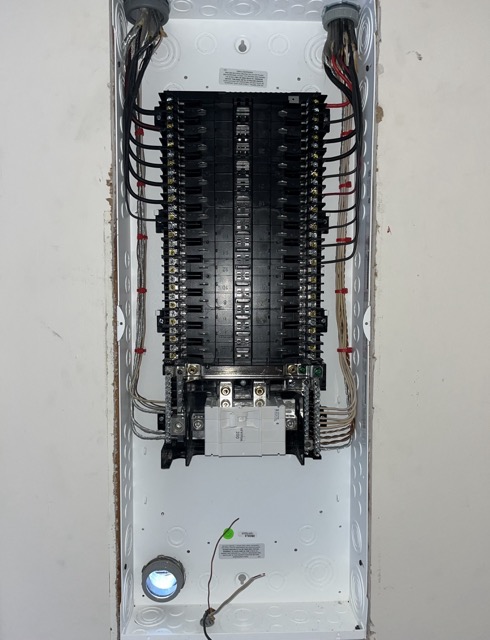
This is the most important question, and the one people often do not think about until installation day. A Level 2 charger is a large, continuous load. Before installing one, a licensed electrician should look at:
- Your panel’s size, often 100 or 200 amps.
- How much of that capacity your home already uses, including central air, the water heater, and kitchen appliances.
- Whether there is physical space in the panel for a new breaker.
Many homes have room for a charger. Others need a panel upgrade, or a load management device that adjusts charging when the rest of the house is using a lot of power. We will tell you honestly which applies to your home.
Hardwired or plug-in?
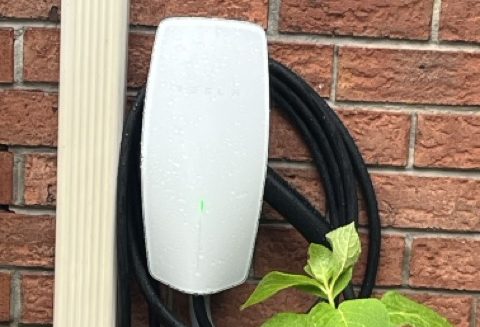
Level 2 chargers come in two styles. A plug-in charger connects to a 240-volt outlet installed for it. A hardwired charger is wired directly to the circuit. Hardwired installs are often cleaner and can allow higher charging speeds, while plug-in chargers are easier to take with you if you move. Some charger brands, like the Tesla Wall Connector, are designed to be hardwired.
Where should the charger go?
- In the garage. The most common spot, protected from the weather and close to the panel in many homes.
- On an exterior wall or in the driveway. Great for homes without a garage. The charger must be rated for outdoor use.
- Cable reach. Make sure the cable reaches your car’s charging port comfortably, and think about future vehicles too.
Permits and inspection
Installing a new 240-volt circuit for an EV charger typically requires an electrical permit and inspection from your city. We pull the permit and schedule the inspection so the installation is documented and up to code. That matters for safety, for insurance, and when you sell your home.
Which charger should you buy?
Choose a charger that is safety certified (look for a UL or similar listing), matches your vehicle’s connector or comes with an adapter, and fits the circuit your home can support. If you have not bought one yet, ask us. We will recommend a charger size that makes sense for your panel and your driving.
Planning a new build?
If you are building a home, plan for EV charging now. Running a 240-volt circuit to the garage during new construction costs far less than adding it later.
Learn more about our EV charger installation service for homes and businesses across Hampton Roads.
Ready to talk it through? Call TC Electric at (757) 977-4827 or request a free estimate. Our licensed, family-owned team serves Chesapeake and all of Hampton Roads.